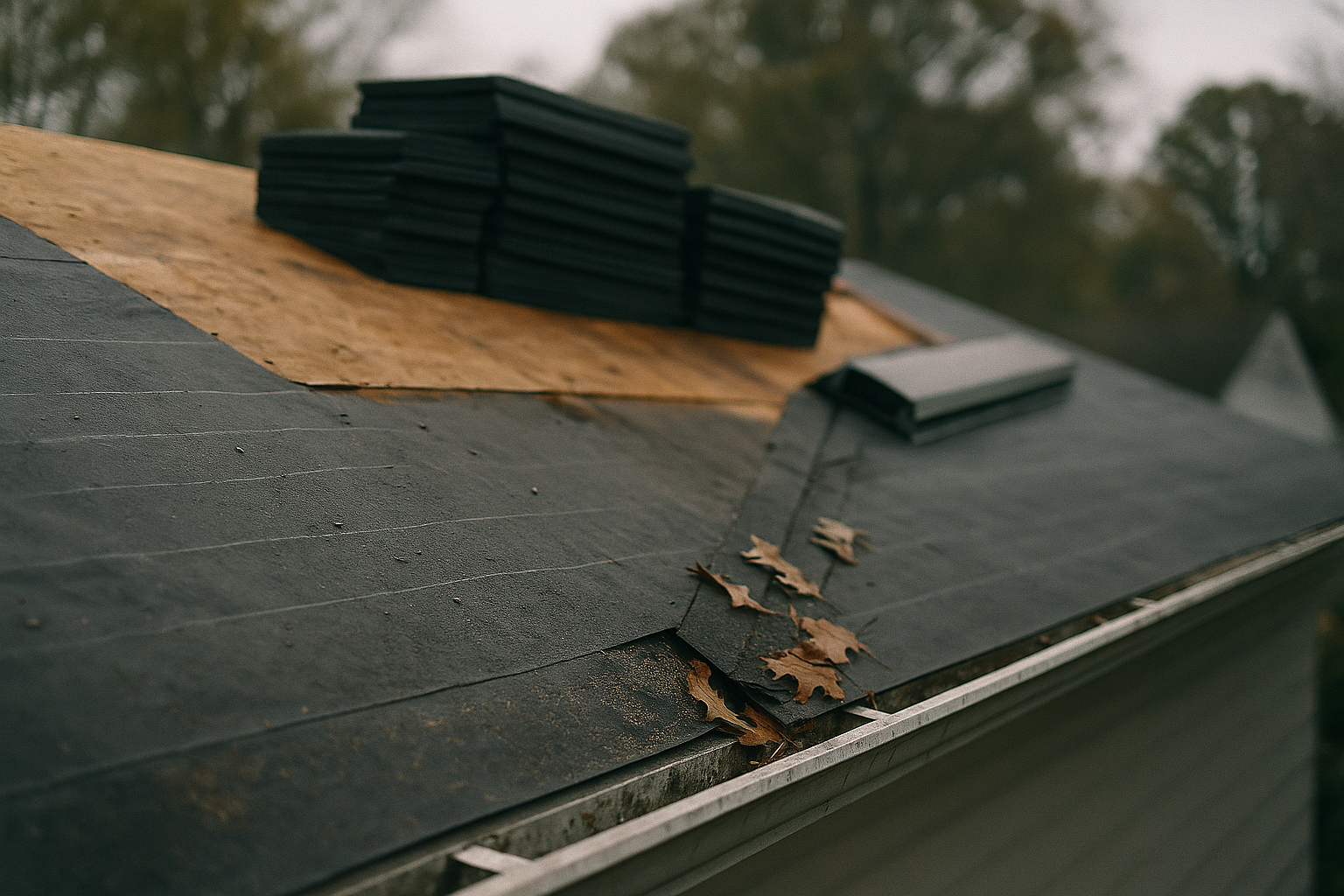
Understanding the Process of Roof Replacement
Outline
– Roofing fundamentals and timing for replacement
– Shingle materials compared: asphalt, metal, wood, slate, and composite
– Preparation and planning: measurements, ventilation, codes, and safety
– Installation walkthrough: tear-off to final inspection
– Costs, warranties, maintenance, and common mistakes
Roofing Fundamentals: When a Replacement Makes Sense
Your roof is the quiet guardian of your home, standing between a comfortable interior and whatever the weather can throw at it. Knowing when to replace it is part science, part observation, and a bit of detective work. Shingles wear at different rates depending on climate, sun exposure, ventilation, and installation quality. A coastal roof battered by salt-laden winds works harder than a shaded roof in a mild valley, and the signs of stress show up in subtle clues long before a major leak ever reveals itself.
Service life varies by material and design. Three-tab asphalt shingles often run 15–20 years when properly installed and vented, while thicker architectural designs commonly reach 25–35 years. Metal shingles can reach 40–70 years, well-installed wood shake roofs may last 20–40 years when maintained, composite shingles often reach 30–50 years, and slate routinely endures 75 years or more. Keep in mind that these ranges assume sound decking, balanced attic ventilation, and diligent maintenance. Prolonged UV exposure, hail impacts, and ice dams can shorten any roof’s arc.
Common red flags include cracked tabs, curling edges, widespread granule loss that exposes shiny asphalt, and brittle shingles that break when gently flexed. Inside the home, look for dark stains on ceilings, peeling paint near soffits, or a musty attic that signals minor but persistent moisture intrusion. Local codes generally allow only a limited number of shingle layers; if your roof already carries multiple layers or shows structural sag, a full tear-off is typically warranted to inspect and correct underlying issues.
Wind performance is another important factor. Many shingles carry wind ratings in the 110–130 mph range, but only if nailed in the designated zone and paired with compatible starter strips, properly aligned courses, and sealed edges. In snow-prone areas, ice and water barriers at eaves and valleys help prevent meltwater from sneaking under the surface. The right move is often preventative: replacing a roof that has entered the late stages of wear can avert damage to insulation, drywall, and framing—expenses that tend to multiply with time.
When evaluating timing, consider the broader context. If you plan attic insulation upgrades, solar panels, or skylights, aligning these projects with a roof replacement can save labor and avoid rework. Also weigh the season. Dry, mild weather windows often yield cleaner installations, tighter seals, and fewer delays. Ultimately, the case for replacement is strongest when multiple indicators converge: aging shingles, recurring minor leaks, poor ventilation, and evidence of compromised flashing at penetrations.
Shingle Materials Compared: Styles, Lifespans, and Performance
Choosing shingles is part technical decision, part architectural expression. The right material should harmonize with your climate, structural load limits, and the way you want your home to look from the curb. Each option carries trade-offs in lifespan, weight, cost, wind and fire ratings, and maintenance needs. Understanding those trade-offs helps you select a roof that feels right today and still performs years from now.
Asphalt shingles remain a popular choice for their balance of cost and durability. Three-tab versions are economical and lightweight, while thicker laminated designs offer dimensional depth and typically better wind resistance. Typical installed costs vary by region, but many homeowners see asphalt landing in an accessible range, with architectural styles generally higher due to additional material and labor. Asphalt is relatively straightforward to repair, though it can be vulnerable to extreme heat and may lose granules over time, especially if ventilation is inadequate.
Metal shingles combine a crisp profile with notable longevity. They are light for their strength—often around the weight of asphalt per square but with longer service life. They shed snow efficiently, resist fire, and hold up well in wind when properly fastened with the appropriate underlayment. Noise concerns are usually overstated on shingle-style metal systems installed over sheathing and underlayment; the assembly dampens sound substantially. Initial cost can be higher, but durability and reduced maintenance often improve long-term value.
Wood shake and shingle roofs bring a warm, organic appearance that ages gracefully, especially on cottages and traditional designs. They require attentive maintenance to manage moss in damp regions and to preserve finish where permitted. In areas with strict fire codes, look for assemblies that achieve higher fire ratings when combined with specific underlayments; some jurisdictions restrict wood roofing outright. When maintained, wood can deliver decades of character and reliable performance.
Slate is the grandmaster of longevity, routinely surpassing several decades with proper flashing and underlayment. It is heavy—often 800–1,500 pounds per 100 square feet—so structural capacity must be confirmed before installation. Slate’s timeless look pairs with outstanding fire resistance and minimal maintenance, but repairs should be handled by experienced professionals to avoid cracked tiles and mismatched patterns.
Composite shingles aim to blend the charm of wood or slate with lighter weight and consistent manufacturing. Many are engineered to deliver Class A fire ratings and solid wind performance, with lifespans commonly in the 30–50 year range. They can be a practical middle ground where the look of premium materials is desired without the full weight or cost of traditional stone.
Quick comparison points to weigh:
– Weight: slate is heaviest; metal and asphalt are comparatively light.
– Lifespan: slate and metal often outlast asphalt; composites frequently land in between.
– Fire: many asphalt, metal, slate, and composite assemblies can reach Class A; wood varies by region and assembly.
– Wind: check published wind ratings and fastening schedules; enhanced nailing improves uplift resistance.
– Cost: initial price differs widely; consider long-term maintenance and replacement cycles, not just day-one expense.
Preparation and Planning: Measurements, Ventilation, Codes, and Safety
Smart preparation is the quiet engine behind a smooth roof replacement. Start with accurate measurements. Roofers often work in “squares,” where one square equals 100 square feet of roof area. For gable roofs, multiply your home’s footprint by the roof pitch factor to estimate surface area, and remember to add overage for waste, cut lines, and ridge caps. Gable ends, hips, and valleys increase both materials and labor, so refine your estimate by mapping the roof plane by plane.
Ventilation is vital to shingle longevity and energy performance. A commonly cited rule of thumb targets 1 square foot of net free vent area for every 300 square feet of attic floor space, balanced between intake at the soffits and exhaust at the ridge or roof vents. Imbalanced systems can pull conditioned air from the living space or trap heat and moisture, aging the roof prematurely. Baffles at the eaves keep insulation from choking off airflow, and a continuous ridge vent paired with continuous soffit vents often provides even, gentle air movement through the attic.
Underlayment selection matters because it sets the stage for the shingle field. Synthetic underlayments resist tearing and handle extended UV exposure better than traditional felt, which can be useful if weather delays your project. Ice and water barriers at eaves, valleys, and around penetrations add a self-sealing layer against wind-driven rain and ice dams. Drip edge along eaves and rakes protects the deck edges, while starter strips at the eaves help bond the first course and reduce blow-offs.
Before you begin, review local codes and neighborhood requirements. Many jurisdictions require permits, specify ice barrier extents in cold zones, and dictate minimum ventilation. Historic districts and community associations may limit shingle styles or colors. Clearing these checkpoints up front prevents costly rework and keeps the schedule on track.
Plan logistics with weather in mind. Roofing proceeds most smoothly in dry, moderate conditions. Create a staging area for materials, confirm a disposal solution for tear-off debris, and protect landscaping with tarps. Safety should be explicit, not assumed. Harnesses and anchors are prudent on steep slopes, extension ladders need secure footing and tie-offs, and toe boards help footing on slick underlayments. Keep electrical lines in view, and establish a routine for end-of-day cleanup so fasteners don’t end up in tires or pets’ paws.
Pre-installation checklist highlights:
– Measurements: confirm squares, waste factor, and ridge/hip lengths.
– Ventilation: calculate intake/exhaust and plan baffles and ridge vent.
– Underlayment: choose synthetic or felt plus ice and water barrier zones.
– Flashing: inventory step, counter, valley metal, and boots for penetrations.
– Permits and approvals: verify code, HOA, and inspection steps.
– Safety: anchors, fall protection, ladders, gloves, and eye protection.
Installation Walkthrough: From Tear-Off to Final Inspection
Roof replacement follows a deliberate sequence that rewards patience and precision. Start with a full tear-off to the deck, unless code and condition clearly allow an overlay and structural load is well within limits. Removing old material exposes the deck so soft spots, delamination, and rot can be addressed. Replace compromised sheathing with like thickness and species, ensure nails penetrate framing where required, and sweep the deck so underlayment seats flat without debris telegraphing through.
Install drip edge along the eaves first to help control water at the edge, then apply ice and water barrier in the eave zone per climate guidance. Underlayment rolls out next, overlapping courses and fastening per manufacturer instructions. Along rakes, drip edge typically covers underlayment to reduce wind lift. Valleys deserve special attention; open metal valleys with a centered W-profile or closed-cut shingle valleys both work when executed cleanly, but open valleys shed debris readily in leaf-heavy regions.
Starter strips at the eaves set the bond line and reduce wind-driven uplift. Snap clean chalk lines to maintain straight courses across the field. Shingle installation proceeds from the lower edge upward, staggering end joints and maintaining the required offset. Nail within the designated zone—too high risks blow-offs, too low risks exposed nails. In moderate wind zones, four nails per shingle is common; in higher wind areas, enhanced patterns with six nails are frequently specified. Each strike should seat the nail flush without cutting the mat.
Penetrations—pipes, vents, and skylights—are where leaks most often begin, so flashing is nonnegotiable. Use step flashing at sidewalls, weaving pieces with each shingle course so water sheds naturally. Where a wall meets a roof, counterflashing that tucks into masonry or siding helps protect the step flashing below. For skylights, follow the kit’s sequence precisely; shingling out of order can create hidden paths for water.
Ridges cap the story. If using a ridge vent, cut the slot to the specified width, leaving hip intersections intact as directed. Install the vent and secure cap shingles over it, aligning with the wind exposure. Seal exposed fasteners at accessories where appropriate, then address details: paint nail heads on metal accessories if recommended, align gutter aprons, and confirm downspouts are clear. Finally, clean thoroughly—magnet-sweep the lawn and driveway, remove stray offcuts, and check attic spaces for daylight where none should be visible.
Final quality checks to verify:
– Straight lines at eaves, rakes, and ridges.
– Correct nailing patterns and sealed starter courses.
– Properly woven or metal-lined valleys without exposed cut edges against flow.
– Step and counterflashing integrated with siding or masonry.
– Balanced ventilation with clear soffit paths and an even ridge slot.
– Debris removed, gutters cleared, and grounds magnet-swept.
Costs, Warranties, Maintenance, and Avoidable Mistakes
Roofing budgets are a mix of materials, labor, disposal, and soft costs like permits and inspections. Labor typically accounts for a significant share because safe tear-off, careful flashing, and precise shingle placement are time-intensive. Installed price per square foot varies by region, roof complexity, and material choice: asphalt is often the most accessible, composites and metal shingles sit in the mid to higher tier, and slate occupies the premium end. Complex roofs with dormers, hips, and multiple valleys can add notable time and trim pieces, raising the total even with the same shingle choice.
Warranties come in two flavors: manufacturer coverage on materials and a workmanship warranty from the installer. Material coverage may include limited lifetime terms for certain asphalt and composite lines, often prorated after an initial period. Upgraded coverage can depend on using a full system of compatible components and following documented installation methods. Workmanship coverage typically ranges from a couple of years to a decade or more depending on the contractor, and it protects against installation-related defects. Keep contracts and invoices, photograph hidden layers (ice barriers, underlayment), and retain permit and inspection records; documentation makes any future claim clearer.
Maintenance extends roof life and preserves warranty terms. Clear gutters before heavy rains, trim overhanging branches, and remove debris from valleys that can trap moisture. A yearly or post-storm inspection pays for itself by catching loose flashing, popped nails, or cracked boots around pipes. Inside, peek at the attic in different seasons; damp insulation, rusty nail tips, or mildew odor can signal a ventilation or leak issue that’s easy to correct early. Avoid pressure washing shingles, which can strip protective granules.
Common pitfalls are avoidable with planning:
– Skimping on ventilation, which cooks shingles from beneath and invites condensation.
– Ignoring starter strips and correct nail zones, a recipe for wind damage.
– Layering over damaged decking, hiding problems that grow expensive later.
– Neglecting flashing at walls and chimneys, where tiny gaps become chronic leaks.
– Scheduling during volatile weather without contingency plans, leading to rushed details.
Think in terms of value, not just price. A thoughtfully planned installation that pairs the right shingle with proper underlayment, balanced airflow, and meticulous flashing often outlasts a cheaper roof by many seasons. If timelines are flexible, consider booking during steady weather periods to reduce delays. And if you’re comparing proposals, look past the headline number to scope details: underlayment type, ice barrier coverage, ventilation upgrades, flashing strategy, and cleanup commitments all influence performance and satisfaction long after the last nail is driven.


